Not caught up? Read Episodes 1-17 here.
After graduating college I was forced to grapple with the thought of never experiencing a school break again. To my surprise, fall break, or “autumn holiday,” is upon us, and it is more present than ever. Not only do the students get a break from attending classes, much of the workforce gets the week off as well. Even though it’s been a little colder lately, the city only got more lively. I’ve been really enjoying my evenings not having to go to language class when my brain is fried at the end of a long day. It’s like getting a taste of the fall break I thought I’d never have again.
I’ve spent my break working hard at the café, creating art, and seeing the sights, which I suppose makes it more of a normal week for me. Because spooky season has kicked into full gear, there’s been lots to do around the city. I’ve mentioned the term hygge about a million times in this blog already, now get ready for the word uhygge. While hygge means cozy and content, uhygge means the opposite, scary and unpleasant. This word has been included in everything I’ve seen trying to market something Halloween-related. Pumpkin cookies, ghost home decor, fun community events, are all u-hyggelige. The most extravagantly u-hyggelig of them all is Halloween at Tivoli Gardens Theme Park.

Before I get teased for writing “I was able to go see Halloween at Tivoli…” let me make it clear that my boyfriend took me there. Much of my riveting blog material comes from things he and I did together, though because I want to protect my privacy and his identity, I try to write about these adventures with careful consideration on wording. Tivoli is the second-oldest amusement park in the world, just after Bakken a bit further up north. Tivoli is located in the center of Copenhagen– it’s hard to miss, especially when there’s a giant jack-o-lantern in the front. The entire park was decked out in decorations, the shops were selling both Halloween and Christmas-themed items, and there was spooky music playing throughout the park. Because we refused to pay extra to go on the rides and spend half our time there standing in line, we spent much of the evening taking photos and videos of the rides, lights, and pretty sights. My one gripe with the park was how crowded it was. Apparently everyone in Denmark and their mother decided to go to Tivoli that night. If you don’t already know this about me, I hate crowds more than anything. If a hoard of people is moving at all different speeds and in all different directions, I get heavily overstimulated. This is why I’m perfectly fine at a concert but not in a grocery store.


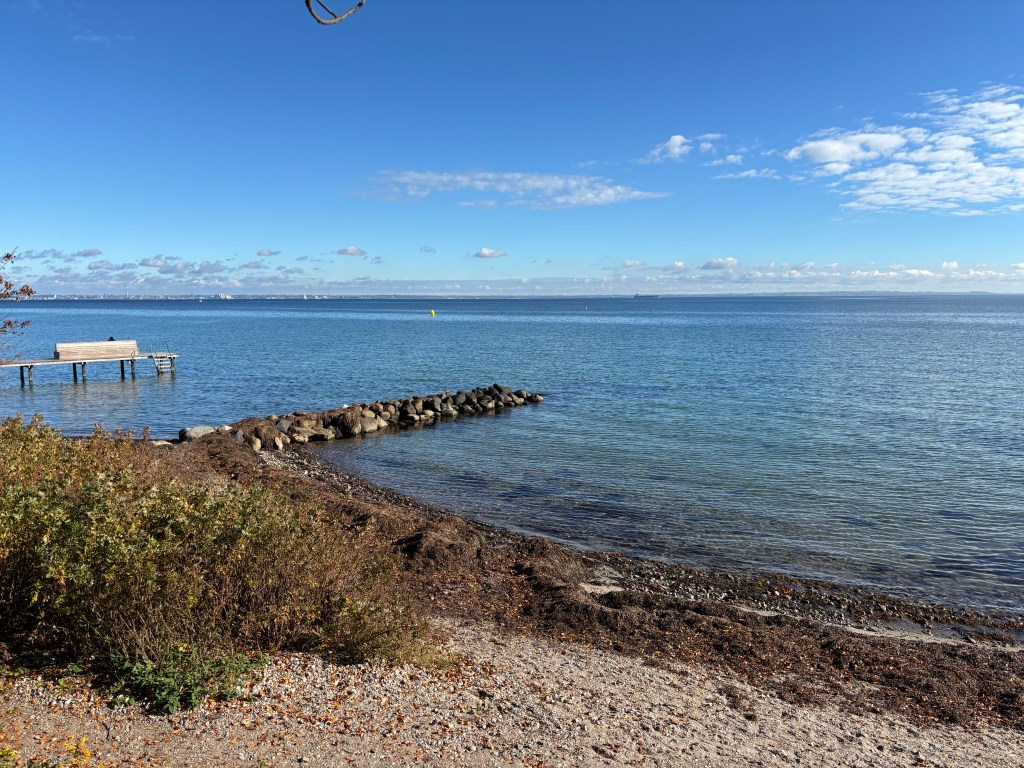
The next adventure, which I promised my extremely loyal fanbase I’d write about, is seeing the Louisiana Museum of Modern Art. The Louisiana is located in Humlebæk, a coastal town with views of Helsingborg, Sweden just across the water (see Episode 13: Sleep-action balance). Though I’ve never been to Sweden and the view from the museum was absolutely stunning, I can guarantee you that the view from Sweden’s side is much, much nicer.

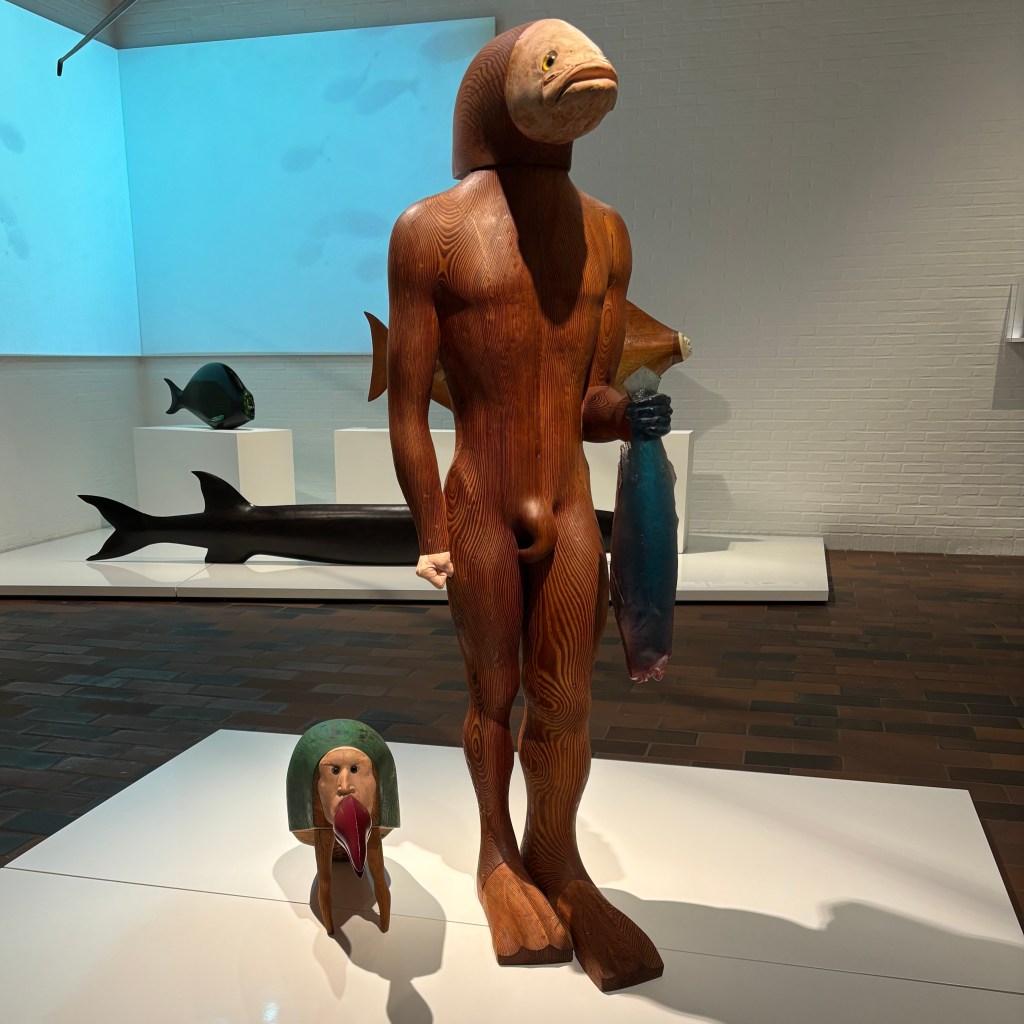
The Louisiana featured a new, temporary exhibit titled “Marisol,” a collection of the works of the Queen of Pop Art, Marisol Sol Escobar (1930-2016). Her work includes drawings, underwater photography, and most importantly, colorful, blocky sculptures made from wood, found objects, and molds from parts of her own face. Some of my favorite sculptures from this exhibition include “The Fishman” (1973) and “The Jazz Wall” (1963). There was one that stood out from the rest, and that is “The Hungarians” (1955). I walked right past it at first, but once I realized what it was about, I was quite touched. Here is a description from the exhibition guide about “The Hungarians:”
This shallow carving of a family is among Marisol’s earliest wooden sculptures and her first to use found objects. After World War II, during which more than half a million Jewish Hungarians were murdered or forced into exile, the country became a communist dictatorship under Soviet rule until 1989. Several hundred thousand more citizens fled following the brutal suppression of the Hungarian Revolution in 1956, about 40,000 of whom went to the United States. Although “The Hungarians” slightly precedes this post-Revolution influx, this historical context suggests the family represented has suffered either Nazi or Soviet persecution. In a style influenced by American folk art, Marisol places her subjects on a rolling cart, suggesting the immigrant experience of mobility, vulnerability and displacement.


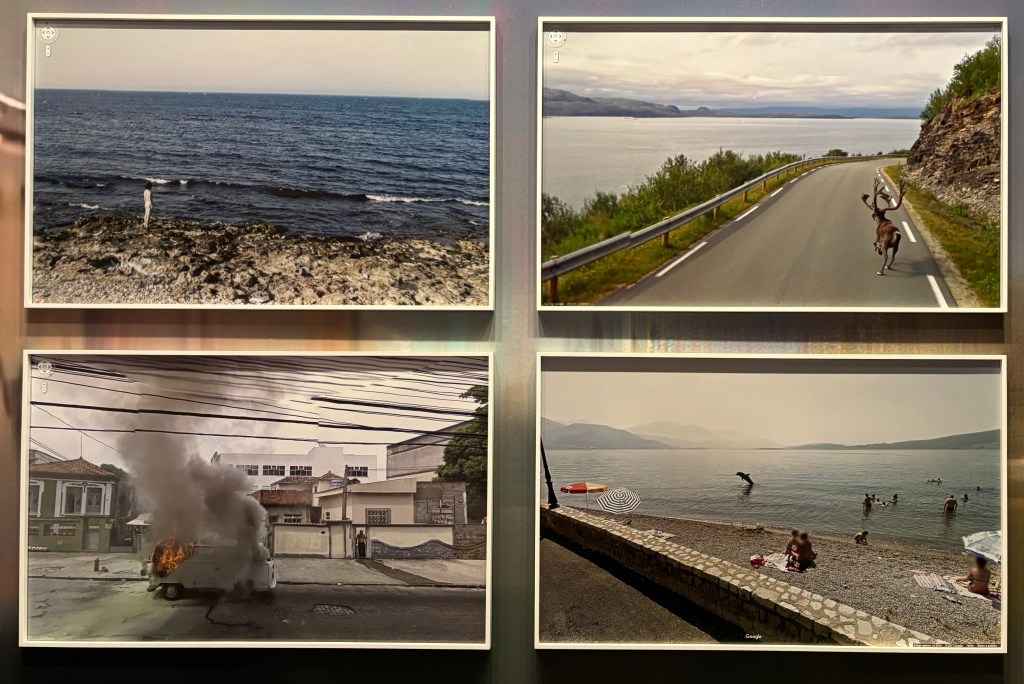
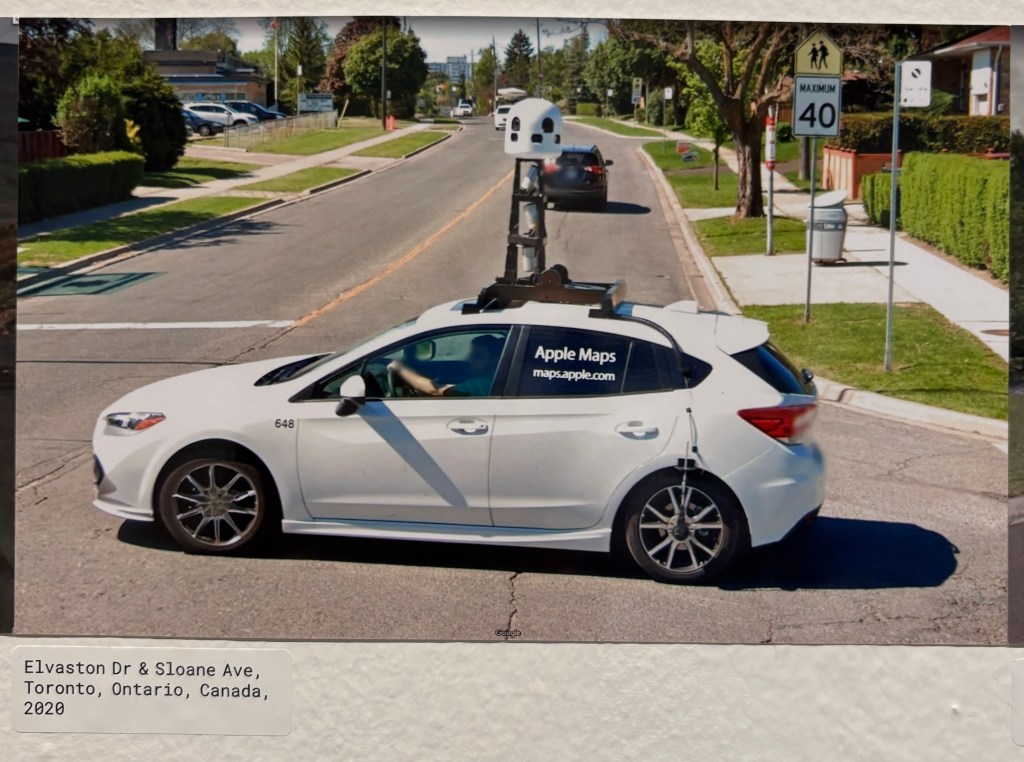
My other favorite exhibition in the Louisiana was Jon Rafman’s Nine Eyes. This project is a series of screenshots taken from Google Maps Street View that show strange happenings around the world, complete with GPS information. From burning cars to reindeer on the side of the road, Jon Rafman has seen it all. My personal favorite is the Google Maps car’s image of the Apple Maps car. I’ve always been a big fan of Google Maps and I’m fascinated by videos of what people find using Street View or satellite imagery. This endless array of grainy screenshots goes to show how varied and chaotic this world is, especially when life here in Denmark feels so peaceful, normal, and sometimes mundane. If you’re feeling inspired after reading this episode, or just bored, go on Google Maps and look around for something crazy and weird around the world. You never know what you may find.





Toward the end of our visit at the Louisiana, my boyfriend’s father told me to go stand in line to view a room. When I asked him what’s in the room, he told me “blog material.” He was right. The room was filled with mirrors and lights, and it was like entering a beautiful new dimension. Turns out only part of the floor was actually floor and the rest of it was water so I stepped in it briefly, but the illusion worked really well.

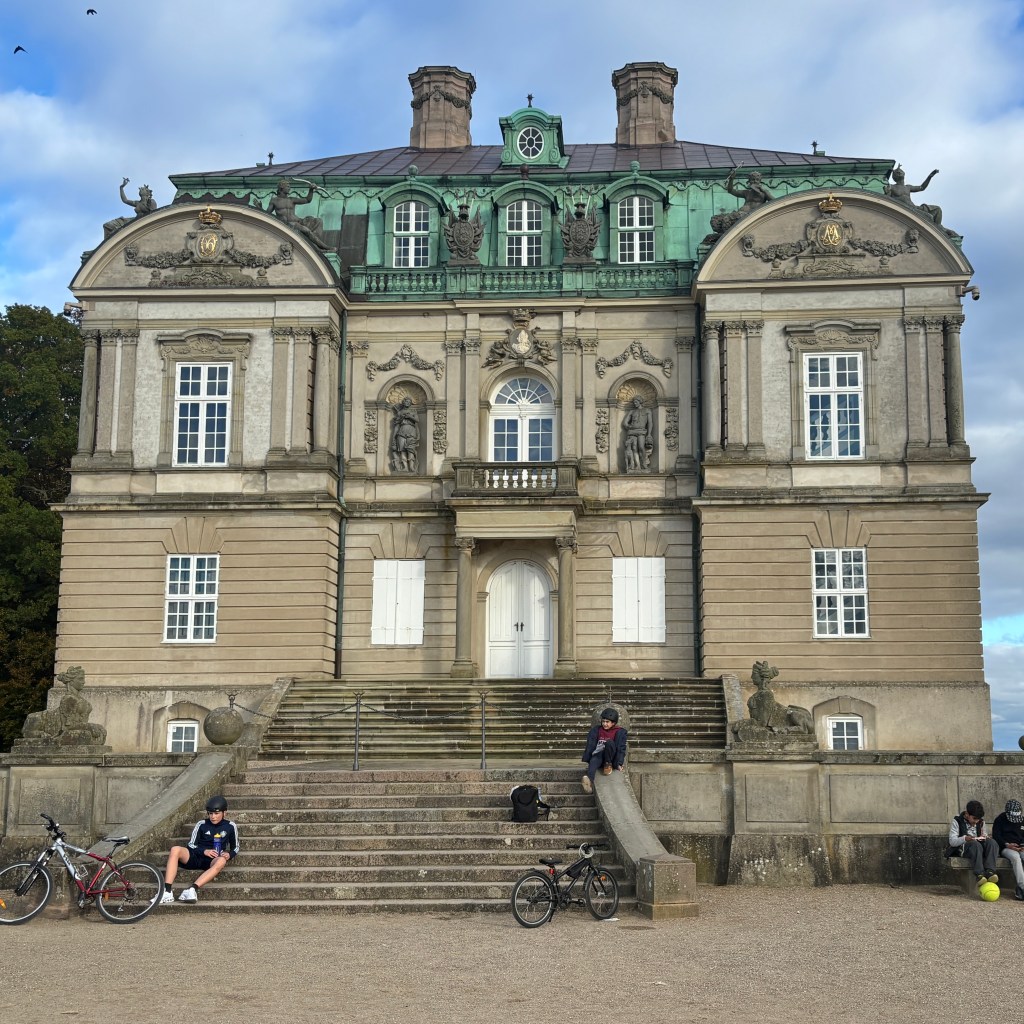
After a lovely lunch and viewing many “Untitled” pieces of art, it was time to depart from Humlebæk and head toward Klampenborg, where the famous Dyrehaven, or deer park, is located. It’s mating season for the deer, so they can be seen throughout the park, especially near the Ermitageslottet, the Hermitage Hunting Lodge. Deer are always a sight to behold, and it’s quite a spectacle to see so many of them at once. The park was spacious compared to Tivoli and the museum, so it was quite refreshing to spend some time there, away from all the people. On the way back to the trains we passed Bakken, the oldest amusement park in the world. We didn’t go in, but it’s a bit strange to have seen the two oldest amusement parks in the world in the same week.


Because it’s been colder and my family hasn’t gone out much, our world hasn’t changed a lot. My mom’s potential future boss at the nail salon hasn’t been responding to messages, so that opportunity is up in the air. I also reached a 300-day streak on Duolingo and thus decided to stop doing it because I haven’t been getting much out of it lately. The Princess Leia mosaic project has no updates because the larger shipment of mosaic pieces haven’t come in yet, and I’ve also made no progress on my table runner. My blogs are super entertaining when there’s something to write about (I like to think so, anyway), but don’t be fooled, most days it’s just working, eating, sleeping and entertaining the dog. Nudli did amuse us when he got a toy stuck on his head, so as a way to end this episode, please enjoy Nudli v. Toy. I put circus music over it for extra immersion.
 vivi torontali
Leave a comment